Human Angels in The World: Dr. Tom Catena
In the war-torn Nuba Mountains, Dr. Tom Catena serves as the only surgeon for a million people. Choosing service over a comfortable U.S. career, he stayed through bombings to provide life-saving care. His story is a powerful testament to the impact one person can have through radical compassion.

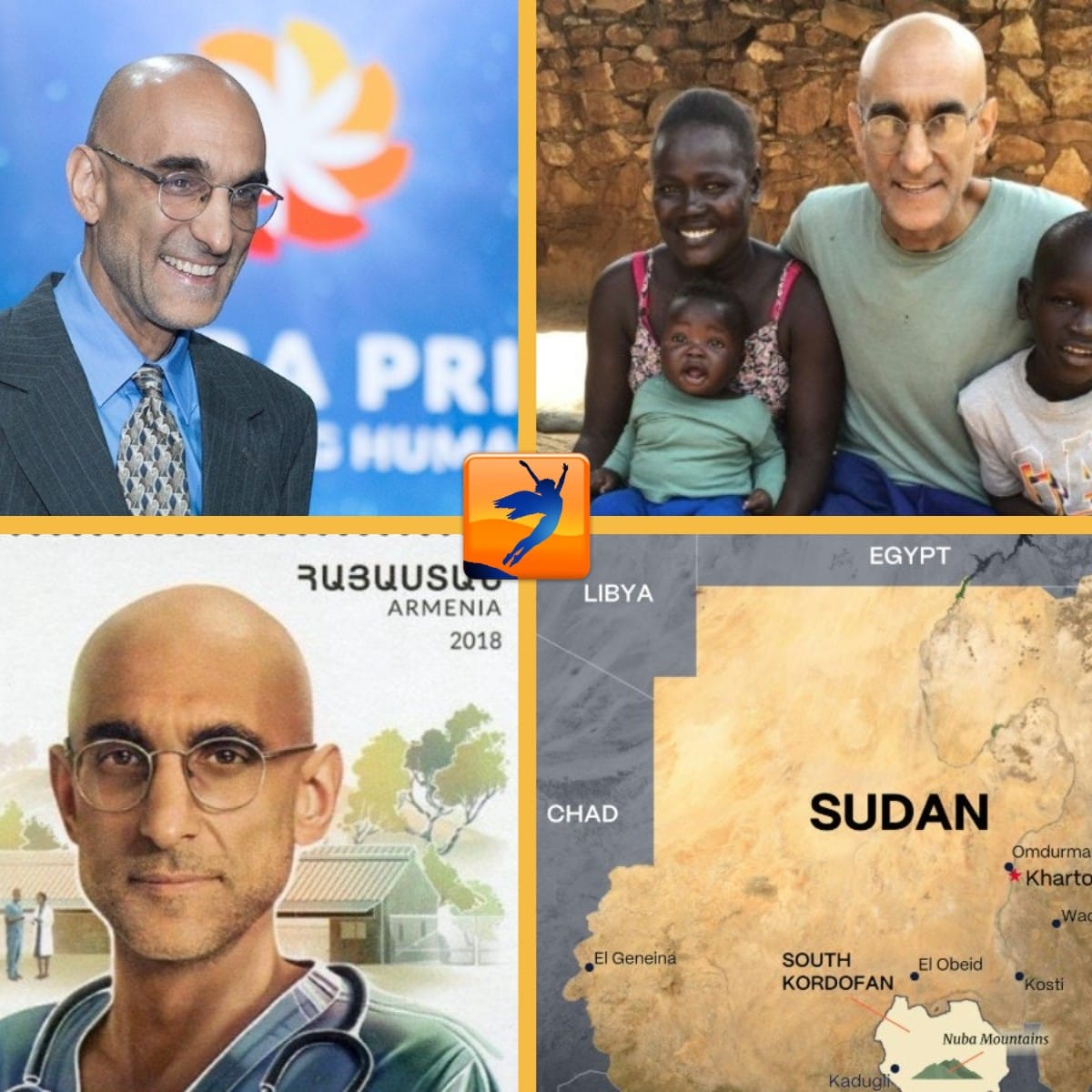
In the remote, red-dust hills of the Nuba Mountains in Sudan, a place often overlooked by the world, there is a single hospital that serves more people than some American states. For years, the only surgeon at this hospital, the only one able to perform a C-section, remove shrapnel, or treat a tumor for nearly a million people, was Dr. Tom Catena. He does not wear a superhero cape or seek attention. He wears scrubs stained with the red dust of the region, and to the locals who walk for days to reach him, he is simply known as "Dr. Tom."
His journey to this remote part of Africa was far from typical for an American doctor. Tom Catena grew up in Amsterdam, New York, and went to Brown University, where he was both a strong student and a determined football player. He earned a degree in mechanical engineering, a field that could have led to a comfortable and well-paid career. However, a volunteer trip he took during college opened his eyes to the immense difference that personal involvement could make in people's lives. He realized that while engineering was important, it didn't allow him to forge the direct, personal connections he craved in helping others. Inspired by this experience and his Catholic faith, which emphasizes service and compassion, he decided he wanted to be closer to the people who needed the most help.
Motivated by this new sense of purpose, he changed direction completely. He went to medical school at Duke University with a U.S. Navy scholarship. After graduating and working as a Naval flight surgeon, he started his life as a missionary doctor. He spent time in Kenya, but kept asking himself: Where is the greatest need? Where will no one else go? The answer was the Nuba Mountains of Sudan, a place torn by years of civil war, where aid was rare, and people were isolated from the world.
He arrived at the Mother of Mercy Hospital in Gidel in 2008. The hospital was simple, but for the Nuba people, it was a miracle. Dr. Tom moved into a small hut near the hospital, ready to treat malaria and leprosy. In 2011, the civil war started again. The Sudanese government launched airstrikes on the region. As bombers flew overhead and explosions shook the hills, nearly all Western aid groups pulled their staff out for safety.
Dr. Tom was told to leave. He looked at the patients in the beds: children with shrapnel wounds, mothers in labor, and elders with treatable illnesses. He realized he could not go. He said he could not leave because the people had nowhere else to turn, and their lives were just as important as his own. In moments of fear, he often recalled his faith and the strength it provided him. He would say to himself, 'In the face of adversity, love must prevail,' a mantra that steadied him when facing impossible choices. He stayed, the only doctor for hundreds of miles, while bombs fell around him, finding courage in the connections he had formed with the people he served.
His daily routine shows his endurance and compassion. He begins each morning before sunrise with mass, finding strength in his Catholic faith, then walks to the hospital where hundreds often wait for him. He treats all kinds of cases. In one day, he might care for a child with measles, perform an amputation on a soldier, deliver a baby, and treat leprosy patients. He works every day, often all hours, with little electricity and equipment that would be considered outdated in the United States.
Stories from his mission show both the desperation and hope he faces. One father, desperate to save his sick child, pulled him in a wagon for over a week, walking more than a hundred miles across rough, mountainous land just to reach Dr. Tom. He believed that if he could get to Gidel, there was hope.
There is also the sad story of Chalu, an 11-year-old boy who was hit by an incendiary bomb. He suffered burns over 60 percent of his body. For months, Dr. Tom and his team cared for Chalu every day, changing his dressings and trying to ease his pain, even with limited supplies. Despite their efforts, Chalu died, but the care he received meant he was not alone. He was surrounded by love until the end. These are the victories Dr. Tom values—not just saving lives, but giving dignity to those who suffer.
The local people, both Christian and Muslim, deeply respect him. A Muslim chief once said that Dr. Tom was like Jesus Christ to them because he healed the blind, helped the lame walk, and treated everyone with equal respect, regardless of religion or tribe. He has given his own blood when supplies ran out, and patients were dying. He has had malaria several times, staying in the same ward as his patients, and returning to work as soon as his fever ended. Dr. Tom's presence has brought profound changes to the community. Health outcomes have improved significantly, with previously fatal illnesses now being treated effectively. His unwavering dedication has fostered hope, encouraging more local youths to pursue medical training. The unity among communities has strengthened, as his impartial care for all has inspired partnerships across different tribes and faiths.
Dr. Tom Catena's life challenges the cynicism often found in today's world. He had every chance for a comfortable and respected life, but chose to live in a war zone, earning only a small stipend each month, because he believes every human life is priceless. He shows that one person, with skill and compassion, can truly change the world for a million people.
Students who feel inspired by Dr. Tom's story can take steps to support similar causes or engage with global health issues. Volunteering with local organizations that focus on healthcare access or fundraising for international medical aid groups can make a difference. Participating in awareness campaigns or educational programs can help spread the message and encourage others to get involved. By acting on their compassion, students can contribute to positive change in communities around the world.
Images:
Tom Catena Armenia stamp, Alla Mingalyova, Armenia Post, Public domain, via Wikimedia Commons
With family, via africanmission_healthcare
Nuba Mountains and Sudan, via refugees_international
Support Us
Support We Are Human Angels and join the tribe. Your contribution makes a difference!
Show Your Appreciation